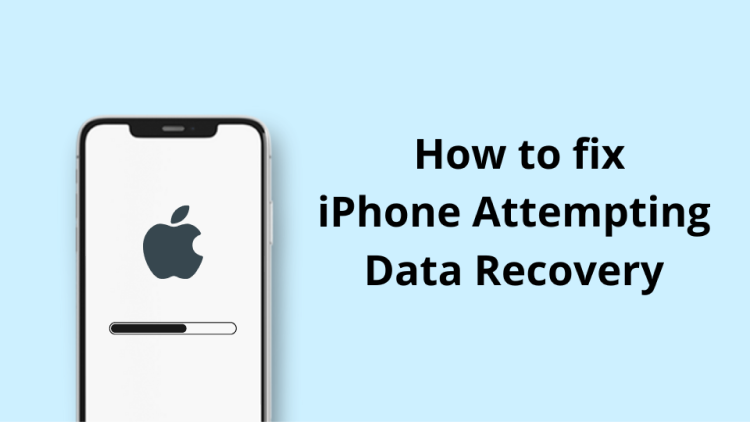
Our phones have become so much more than just devices. We rely on them to store our memories, stay connected, and manage our everyday lives. So when something goes wrong, even briefly, it can feel like everything is on the line. One issue many iPhone users run into is the alarming “iPhone is trying to recover data” message. It usually appears after an unexpected shutdown, crash, or reboot, and it often catches people off guard. Understandably, seeing that message can be stressful, especially if you’re not sure what caused it or whether your data is at risk.
If you’re attempting data recovery on iPhone, it’s important to understand what’s actually happening behind the scenes. This guide will walk you through everything you need to know to handle the situation safely and improve your chances of getting your data back.
Data loss is never pleasant, but with the right steps, you can often recover more than you’d expect, and prevent it from happening again.
- Why is my iPhone Attempting Data Recovery?
- How to fix iPhone Attempting Data Recovery?
- Prevention Tips
Why is my iPhone Attempting Data Recovery?
What does iPhone Attempting Data Recovery mean? It means that your iPhone is stuck when it tries to restore data from the previous backup. Several factors can lead to an iPhone experiencing a data recovery attempt:
-
Software updates: One of the top security rules is to always update your iPhone to the latest version. From one side, updates are good for improving iPhone perfomance. But from the other side, an update might fail and cause a loss of your data.
-
Software downgrade: reverting back to an older version of iOS is not an easy process, and thus not always predictable.
-
Interrupted iOS update via iTunes: if you disconnect or try using your iPhone when it’s being updated with iTunes, it might cause a data recovery problem.
-
Physical damage: Physical damage to your iPhone due to drops, water, or other accidents can cause your iPhone to malfunction and initiate data recovery attempts.
-
Malware or virus infection: Malware or viruses can corrupt your iPhone’s software, resulting in unexpected shutdowns and subsequent attempts to recover data.
How to fix iPhone Attempting Data Recovery?
If your iPhone is displaying the “iPhone attempting data recovery” message, here are the steps to solve this problem:
-
Allow the process to complete: Sometimes, iPhone just needs time to complete the data recovery process. The first thing to do is to wait and let the iPhone complete the recovery process. Connect the device to a power source and let it run for a while. This may solve the problem and once the data recovery process is complete, the iPhone will return to normal.
-
Force restart your iPhone: If the data recovery process is taking too long or seems to be stalled, you can try to force reboot your iPhone. Forced rebooting depends on the iPhone model:
-
Put iPhone in Recovery Mode: You can try the Recovery Mode by connecting iPhone to iTunes.
-
Restore from backup: If force restarting does not resolve the issue, the next step is to restore your iPhone from a previous backup. Keep reading and we will show you the best solution to Recover your iPhone.
Recover iPhone from a backup with CopyTrans Shelbee
If your iPhone was backed up on your PC, then you can use CopyTrans Shelbee to restore iPhone. Follow the steps below to make this process easier and faster.
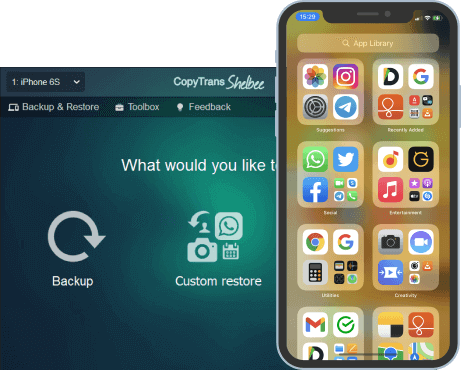
Unlike iTunes, CopyTrans Shelbee will:
✔️ restore full iPhone backup or just some selected data;
✔️ allow you to restore all your apps or just some of them;
✔️ do full or incremental backup;
✔️ allow to choose the folder to save backup;
✔️ validate backup made;
✔️ compatible with iTunes backup;
✔️ support encrypted iPhone backup;
Follow these steps to restore data with CopyTrans Shelbee:
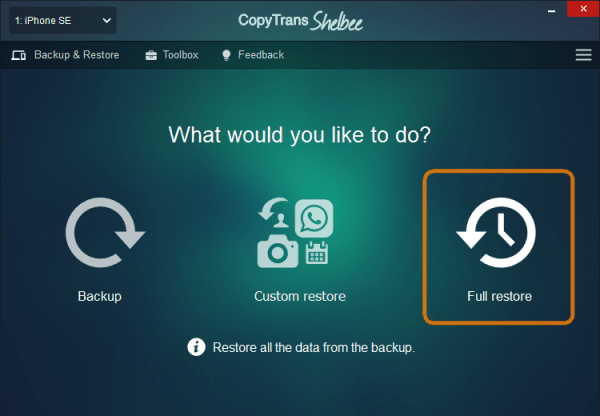
- Download CopyTrans Shelbee and install the program. Then Start CopyTrans Shelbee and click on Full restore.
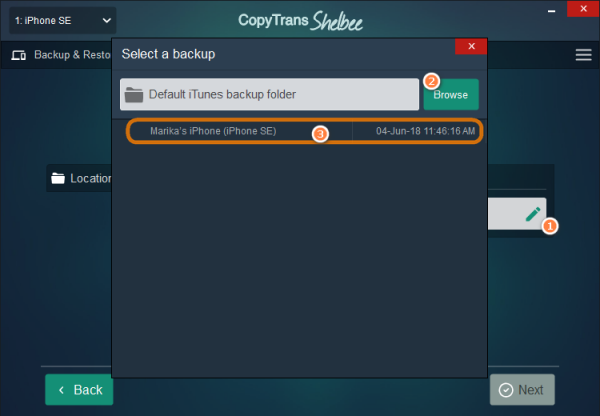
- Click on the pencil icon and select the backup file.
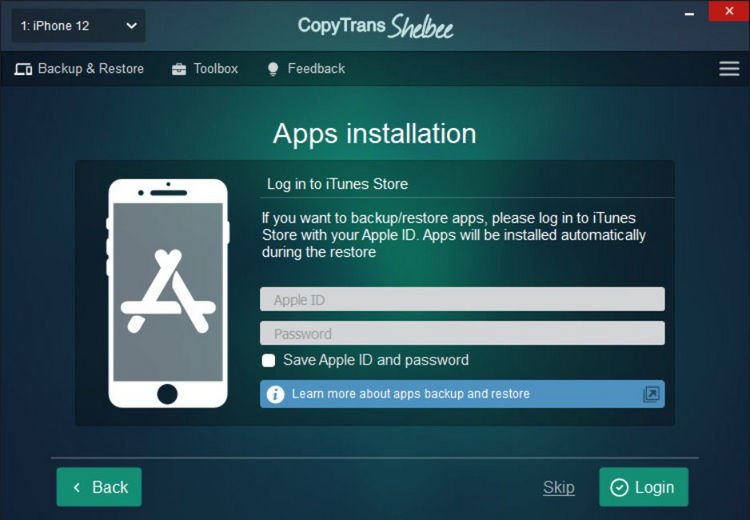
- If you wish to restore your apps as well, please log in to iTunes Store with your Apple ID.
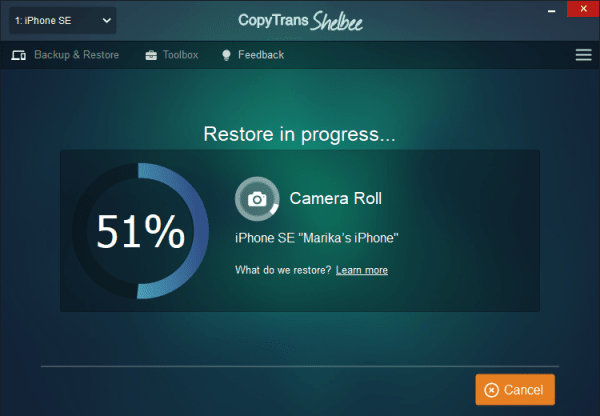
- Now CopyTrans Shelbee is ready to restore a backup on your iPhone.
- Click “Done” and that is it!
Prevention Tips:
While the solutions discussed above can help you recover lost data, the best strategy is always prevention. Here are some tips to prevent data loss on iPhone:
-
Back up regularly: Regularly backing up your iPhone data to iCloud, iTunes, or other cloud storage can help protect your data in case of unexpected data loss. You’ll always know your data is safe.
-
Avoid interruptions during updates: During software updates, make sure your iPhone is connected to a reliable power source and has an uninterrupted Wi-Fi connection.
-
Do not download unauthorized software: Downloading unauthorized software can lead to malware or virus infection, resulting in unexpected shutdown and data loss.
-
Protect your iPhone from physical damage: Using a protective case and screen protector can help prevent physical damage to your iPhone and thus to protect your personal data.
-
Regularly check your iPhone’s storage: Regularly checking your iPhone’s storage for corrupted files and freeing up space will help prevent system crashes and data loss.
Attempting data recovery iPhone
The “iPhone Attempting Data Recovery” message can be unsettling, especially when it shows up without warning and puts your personal data at risk. It’s easy to panic when you’re unsure whether your photos, messages, or files are still intact. But the good news is that, in many cases, the situation is recoverable.
As we’ve discussed in this article, understanding the root causes of this issue, like interrupted software updates, sudden shutdowns, or hardware problems, can help you take the right steps quickly. More importantly, implementing a few proactive habits can greatly reduce the risk of facing this message again.
Regularly backing up your data is the most effective safety net. And while iCloud and iTunes offer backup options, many users find tools like CopyTrans more flexible and easier to use. With CopyTrans, you can back up and restore specific data types: photos, messages, or contacts, without having to perform a full iPhone restore. It’s a great way to keep your data secure and accessible, especially if you’re looking for a hassle-free alternative to iTunes.
By combining the tips from the article with a reliable backup routine, you can navigate data issues with more confidence and protect what matters most.
